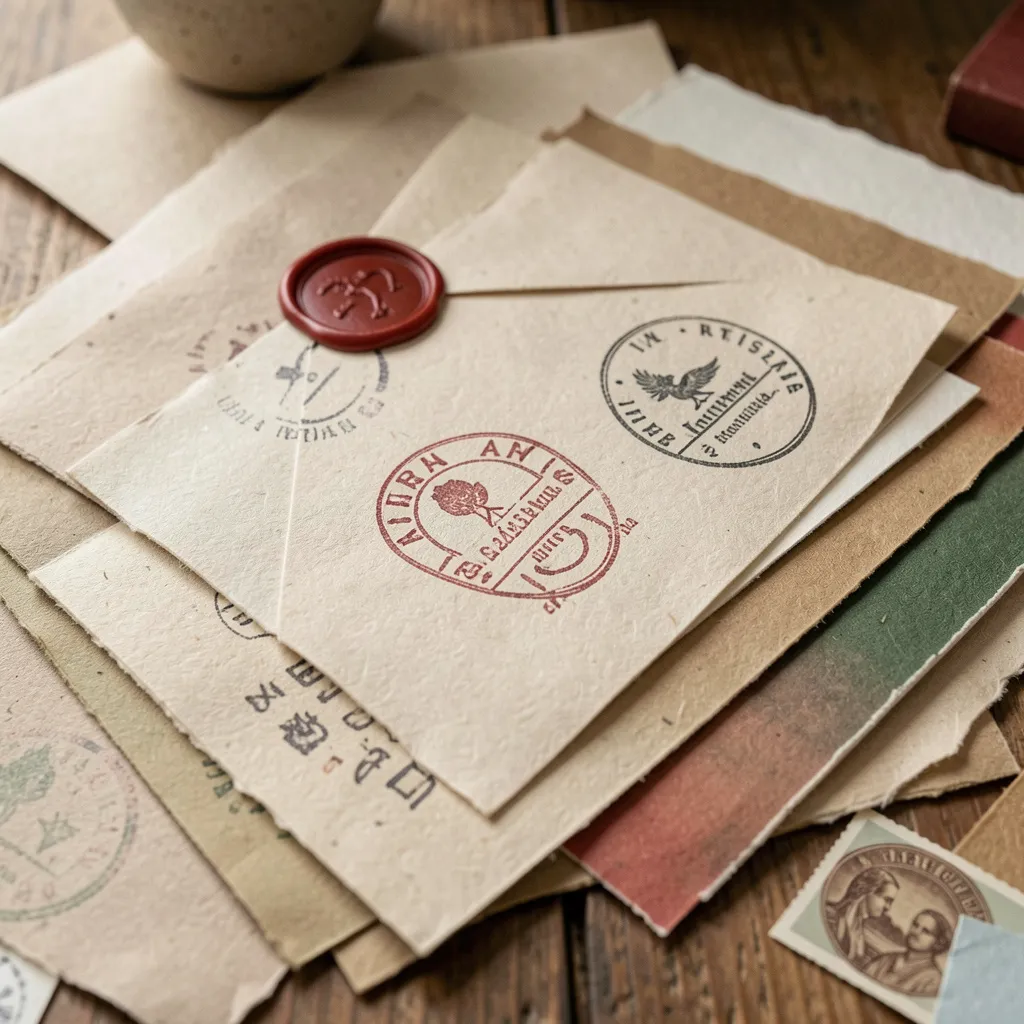
Paper textures and materials

The Paper Library

Understanding paper weights, textures, and materials.

Paper Weight (GSM)

GSM stands for grams per square meter, a standard measurement for paper weight. Higher GSM values indicate thicker, more substantial paper.

60-80 GSM

Lightweight paper suitable for everyday writing and printing. Common in standard notebooks and copy paper. Good for quick notes and drafts.

90-120 GSM

Medium weight paper with better durability and reduced show-through. Suitable for journals, letter writing, and documents that will be handled frequently.

130-180 GSM

Heavy paper with substantial feel and minimal show-through. Ideal for fountain pens, calligraphy, and premium stationery. Provides a satisfying writing surface.

200+ GSM

Very heavy paper, often used for covers, cards, and art applications. Provides maximum durability and a luxurious writing experience.
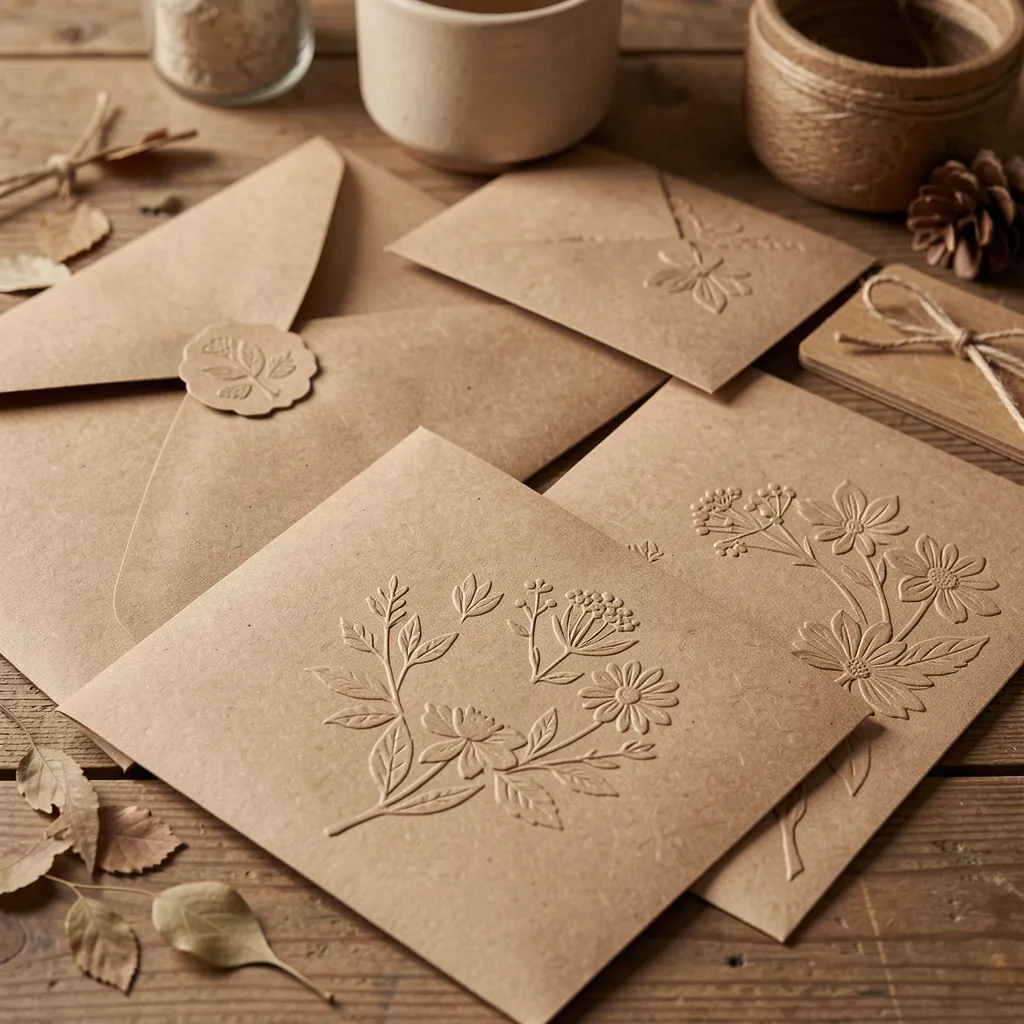
Paper Textures

Laid Paper

Features visible parallel lines created during the papermaking process. This texture adds character and can enhance the writing experience with subtle feedback.

Wove Paper

A smooth, uniform surface without visible texture. Provides a consistent writing surface and is well-suited for detailed work and fine lines.

Felt Texture

A soft, slightly textured surface that mimics the feel of fabric. Offers a unique tactile experience and can help reduce glare.

Smooth Finish

A polished surface that allows ink to flow smoothly. Ideal for fountain pens and provides a clean, professional appearance.

Paper materials

Paper Materials

Different materials offer distinct characteristics and environmental considerations.

Material Types

Wood Pulp

The most common paper material. Can be produced from various tree species and processed to different quality levels. Generally more affordable and widely available.

Cotton Fiber

Made from cotton linters or recycled cotton materials. Offers durability, resistance to aging, and a smooth writing surface. Often used in premium stationery.

Bamboo

A rapidly renewable resource that can be processed into paper. Offers environmental benefits and can provide a unique texture and appearance.

Recycled Content

Paper made from post-consumer or post-industrial waste. Reduces environmental impact while maintaining functionality. Quality varies based on processing methods.

Choosing the Right Paper

Consider your writing instrument, intended use, and personal preferences when selecting paper. Different combinations work better for different purposes.

Privacy & Cookies

We use cookies to enhance your browsing experience and analyze site traffic. By continuing to use this site, you consent to our use of cookies.